Search Here without leaving this page

Our Email Address --> greenlegacy05@yahoo.com

.

World Sunlight Map -Satelite View

Showing posts with label Hydroponic. Show all posts

Sunday, May 11, 2008

EBB & FLOW Hydroponic


An Ebb and Flow system consists of a growing bed in which individual containers filled with medium hold your plant's root systems. The growing medium also acts as a buffer, holding water and nutrients around the root system, and reducing the risk of crop loss due to power or equipment failure. The growing bed is flooded periodically to feed and water the plants and allowed to drain freely to pull oxygen into the root zone. Ebb and Flow systems' low maintenance, high productivity, and ease of use make them among the most popular hydroponic systems for not only the beginner, but for the advanced gardener as well.

How do I build my own hydroponic system? Yes, you can build your own hydroponics system. We supply a variety of trays, pumps, filters, reservoirs, and other pieces that make building your own custom system a breeze. There are also many different types of hydroponic systems that are easily built from common parts that are usually readily available. Below we have illustrated a simple ebb and flow system made from components that we sell. Also, we have included a list of common pieces that can be found locally to build this system.
An ebb and flow system is one of the easiest hydroponic systems to build yourself. Many of the parts needed can be found locally, if not we carry a complete line of ebb and flow trays, NFT channels, reservoirs, hydroponic pumps and filters, fill and drain kits, etc. The principle behind an Ebb and Flow system is easily understood. A bottom reservoir contains nutrients which are periodically pumped up to the ebb and flow tray, and then allowed to drain via gravity back into the reservoir. When the Ebb and flow tray is flooded plants receive nutrients and water, also CO2 is pushed out and away from the plants root system. When the nutrient solution drains back into the reservoir, fresh oxygen is pulled down into the root system. This combination of fresh nutrients, water, and oxygen is then readily assimilated by the plants, ensuring lush healthy growth. Following is a list of parts that could be used to build an ebb and flow system out of componenets that we sell. Other alternatives are suggested below:
  1. 4'x2' ebb and flow tray
  2. 30 gallon reservoir
  3. Maxijet 500 pump
  4. American Hydroponics fill/drain kit
  5. 6' - 1/2" blue flexible tubing
  6. 3 hose clamps - 1/2"
  7. 30 - 4 1/2" square containers
  8. 50 litres LECA growing medium

Watch the video below for your guide to bulid this model system


Digg Technorati del.icio.us Stumbleupon Reddit Blinklist Furl Spurl Yahoo Simpy

Friday, May 9, 2008

Hydroponic Nutrient Problems & Its Solutions

Cloudy nutrients, floating ‘fur’ and ‘cotton like’ growths are most likely to be caused by fungi in the nutrient solution especially in a Tropical countries with its hot and high humidity environment. Bacteria can also make the nutrient cloudy, but tend to produce more of a ‘slime’ or jelly like mass in the system and a bad smell. Bad odors can be both strong and persistent and are a result of bacteria metabolizing proteins which releases amines and sulfur containing organic molecules into solution. Microbial growth in the nutrient itself is a result of having organic materials in the system somewhere (fungi etc need organic matter to feed on). When these fungi or bacteria are present in the system, feeding on organic matter, they use up just about all the oxygen in the nutrient and this ends up smothering the plants roots. They can also release toxic compounds into the nutrient as they grow, breed, die and decompose, and many of these are harmful to plants. The microbial species which produce the bad smells, slime and other undesirable problems are not the ones we want to encourage, since their growth results in stagnant, oxygen starved conditions and root death. Once root death has started to occur, opportunist pathogens such as Pythium will then invade the plant’s root tissues, making disease control difficult. They also make running a hydroponic system unpleasant, will block up emitters, drippers and other equipment and require the whole system to be cleaned out and disinfected (please refer also the post Problems in Drip Irrigation/Fertigation-Clogging. If these problems have developed in a hydroponic system it is usually an indication that large amounts of organic matter have been introduced which have given the fungi and bacteria a food source and resulted in rapid population growth. Organic matter may have come from large amounts of old rotting root systems or vegetation from a previous crop, use of organic growing media or it could even be unintentional organic contamination - (such as the large, dead rat found rotting at the bottom of one growers nutrient tank!). There are organic additives specifically designed for hydroponic systems - meaning they are suitable for a ‘soilless’ system and following the manufacturers instructions for the use of these will get the most benefit from these types of products. As with all hydroponic nutrients - more is not better when using organic additives in a hydroponic system and the dose stated on the product will be the optimum one. Use of organic fertilizers which are used and designed for soil based systems have in the past caused major problems in many hydroponic systems - many of these rely on boosting the population growth of microbes in the soil which in turn breaks down organic matter, releasing nutrients. Also many of the organic compounds are not fully mineralized and putting these soil based organic fertilizers (such as fish emulsions) into an NFT or even media system in large quantities can have rapid and unpleasant results.

Solutions and prevention of nutrient problems - There has been a major move away from the ‘kill everything and sterilize approach’ for nutrient solutions to a more integrated and environmentally friendly method of allowing microbes to exist naturally in a well run, fully aerated system. Sterilization of the nutrient has proven many times to be difficult and expensive to carry out, often resulting in plant damage, nutrient problems and residues of sterilization chemicals. Using sterilization techniques such as H2O2 and Chlorine in nutrients solutions requires a high dose to kill some of the persistent plant pathogens and this has been shown to damage young and sensitive roots in many crops. 100ppm H2O2 is required to kill spores of some of the common hydroponic pathogens, but even a level of 8ppm was found to damage lettuce seedling roots. The same problem exists with the use of chlorine. Studies have also found that after nutrient sterilization when all microbes and algae have been killed, re-growth of these occurs very rapidly in the nutrient, and this can in fact result in some of the pathogenic microbes re-establishing fastest, causing many new problems in the systems. A better approach, which is used by many commercial growers, is to start with a clean, sterilized water source, add in the nutrients, then inoculate the nutrient solution with a mixture of beneficial microbes (the same ones which may also be used in a sand filter). This gives the beneficial microbes a head start and results in a healthy system where any pathogens should be suppressed before plant damage occurs.

*References and Sources of informationPaulitz, T. C., ‘Biological Control of Root Pathogens in Soilless and Hydroponic Systems’. HortSceince, Vol 32, No 2 (1997) pages 193-196.Stanghellini, M. E., Rasmussen, S. L., ‘Hydroponics: A Solution for Zoosporic Pathogens’ Plant Disease, Vol 78 No 12 (1994) pages 1129-1137.Utkhede, R. S., Levesque, C. A., Dinh D. ‘Pythium aphanidermatum Root Rot in Hydroponically Grown lettuce and the Effect of Chemical and Biological Agents on its Control’ Canadian Journal of Plant Pathology, Vol 22 (2000) pages 138 - 144.


Digg Technorati del.icio.us Stumbleupon Reddit Blinklist Furl Spurl Yahoo Simpy

HYDROPONIC/FERTIGATION NUTRIENT SOLUTION RECIPE: HOW MUCH TO APPLY?

A grower will start with a nutrient solution recipe. The choice of recipes is up to the grower (many variations exist). Choose a recipe that has been successful:

  • For the plant you want to grow.
  • For the regional location and environmental conditions.
  • For the time of year you wish to grow.
IF a grower notices deficiency/toxicity symptoms,
THEN adjustments to the recipe can be made to compensate.

*An example: Recipe used by Sunco, Ltd., Las Vegas NV, for tomatoes during Winter
in the mid to late 1990’s (See table below). Most recipes will vary according to stage of plant growth.
  1. Ex: 0 – 6 Week recipe: Higher nitrogen, calcium and magnesium for good structure/vegetative growth.
  2. 6 – 12 Week recipe: Lower nitrogen and higher potassium to enhance flower (reproductive) production
  3. 12 + Week recipe: To maintain balance – vegetative/reproductive

WEEK 0-6_______________WEEK 6-12__________________ WEEK 12 +
PPM ____________________PPM_______________________ PPM
N 224_____________________N 189______________________ N 189
P 47______________________ P 47_______________________ P 39
K 281_____________________ K 351______________________ K 341
Ca 212____________________ Ca 190_____________________ Ca 170
Mg 65_____________________Mg 60_____________________ Mg 48
Fe 2.00____________________Fe 2.00____________________ Fe 2.00
Mn 0.55___________________Mn 0.55____________________Mn 0.55
Zn 0.33____________________Zn 0.33____________________Zn 0.33
Cu 0.05____________________Cu 0.05____________________Cu 0.05
B 0.28_____________________B 0.28_____________________B 0.28
Mo 0.05___________________Mo 0.05____________________Mo 0.05

NOTE: Sulfur (a macronutrient) and chloride (a micronutrient) concentrations are not given in this recipe. That does not mean that sulfur and chloride are not present. Usually sulfur is added with magnesium and chloride is added with the manganese and copper. Enough will be added with these other elements to be sufficient
NOTE: Two significant changes to this type of standard recipe can also be made in hot, high light areas to improve growth of the plants and quality of the fruit. To avoid over-vegetative growth during hot fall weather, begin with low nitrogen (~95ppm) during the first 6 weeks. This will keep the plants “lean” and encourage reproductive growth. Increase to 145ppm N at 6 weeks and then 189ppm by 12 weeks. Chlorides can be added during fruiting in macronutrient levels (150-200 ppm) to improve fruit quality and taste. Note, significant adjustments must be made to the recipe.
** These changes should only be attempted by experienced growers.


Digg Technorati del.icio.us Stumbleupon Reddit Blinklist Furl Spurl Yahoo Simpy

Wednesday, May 7, 2008

Types Of Hydroponic System Designs

SYSTEM DESIGNS

1) The basic wick: The roots grow down through an aggregate medium. A wick (absorbent material) is laced through the medium and hangs down into a reservoir and draws the nutrient solution up into the root zone.

2) The non-recirculating (“air-gap”) system: The roots hang into a nutrient solution reservoir, with the upper part of the root mass suspended in air (air roots to take up needed oxygen) and the lower part of the root mass in direct contact with the nutrient solution (water and nutrient roots).

Type Of System:

  • *Liquid/Closed Option * Aggregate Option

3) The raft, float or deep flow system: Plants are suspended through styrofoam boards which float on the surface of the nutrient solution. Oxygen must be supplied to the roots using an aquarium pump and air stones or a “venturi” system.

Liquid/Closed

4) The flood and drain (or ebb and flow) system: The roots grow down through an aggregate. The nutrient solution is pumped into the aggregate medium, floods the root zone for a short time, and is then allowed to drain back into the reservoir.

Type Of System:

  • *ManualOption * Aggregate/Closed

5) The top feeder system: The roots grow down through an aggregate. The nutrient solution is delivered to the top of the aggregate

medium, percolates through and then either drains to waste or is recirculated into a reservoir.

Aggregate/Closed or Open

6) Nutrient film (flow) technique (NFT): The roots may be growing from Rockwool blocks or through cups filled with an aggregate for support but ultimately hang into a slightly slanted tube or trough. The nutrient solution is pumped to the higher end, flows past the hanging r roots and then back to the reservoir

Type of system = Liquid-Aggregate/Closed

7) Aeroponics: The roots are suspended in an enclosed space and, at regular intervals, sp sprayed with the complete nutrient solution.

Type of system = Liquid/Closed or Open


Digg Technorati del.icio.us Stumbleupon Reddit Blinklist Furl Spurl Yahoo Simpy

Types Of Hydroponic Systems

1) Systems categorized by where the roots are located:

  • Liquid Culture: The roots are hanging into the nutrient solution which can be either in the form of a liquid or a mist.

  • Aggregate Culture: The roots grow into an inert medium such as sand, gravel, Rockwool, perlite, vermiculite, peat moss, foam, coconut coir, etc. and are then irrigated with a complete nutrient solution.

2) Systems categorized by what happens to the nutrient solution:

  • Open: The nutrient solution is distributed from a reservoir to the plants and is then “drained to waste” (i.e., not used again).

  • Closed: The nutrient solution is distributed from a reservoir to the plants. After passing through the root zone it is collected and reused. In large systems the solution may be analyzed, then modified by the additions of water, acid/base, and/or various inorganic elements to return the solution to the appropriate inorganic mineral composition (and EC) and pH. The solution may also be sterilized (UV light, ozone treatment, etc.) so that any plant pathogens, picked up in the solution from perhaps one or a few infected plants, are not subsequently spread to all of the plants.


Digg Technorati del.icio.us Stumbleupon Reddit Blinklist Furl Spurl Yahoo Simpy

Friday, May 2, 2008

Understanding The Concept Of Hydroponic

Image:Hydroponic onions nasa.jpg
Image:Autotrophic-Metabolism.jpg


Model Hydroponic set at my home in Taman Bukit Indah, Johor Bahru, Malaysia


The term hydroponics is derived from the Greek's hydro (water) and ponos (labour). Many people use this term to describe any methods of growing that does not use soil (although some scientists dispute this definition), as nutrients were obtained from other sources. The mineral nutrient solutions used today for hydroponics were not developed until the 1800s.

Hydroponics is defined as crop growth in mineral nutrient solutions, with no solid medium for the roots. The distinction between hydroponics and soilless culture of plants has often been blurred. Soilless culture is a broader term than hydroponics. It only requires that no soils with clay or silt are used. Note that sand is a type of soil yet sand culture is considered a type of soilless culture. Hydroponics is always soilless culture, but not all soilless culture is hydroponics. Many types of soilless culture do not use the mineral nutrient solutions required for hydroponics.

Billions of container plants are produced annually worldwide, including fruit, shade and ornamental trees, shrubs, forest seedlings, vegetable seedlings, bedding plants, herbaceous perennials and vines. Most crops are produced in soilless media, representing soilless culture. Most soilless media for container plants also contain organic materials such as peat or composted bark, which provide some nitrogen and other nutrient to the plant. Greenhouse growth of plants in peat bags is often called hydroponics, but technically it is not because the medium provides some of the mineral nutrients.


Digg Technorati del.icio.us Stumbleupon Reddit Blinklist Furl Spurl Yahoo Simpy

Thursday, May 1, 2008

What Does Hydroponic and Fertigation, Aeroponic, Organoponics, Passive irrigation, Top Irrigation & Deep water culture Have In Common?


____The image “http://www.pascosheriff.com/websmart/Pasco/picts/Hydroponics1a.jpg” cannot be displayed, because it contains errors.http://site.homegrown-hydroponics.com/hydroponics-0.jpg

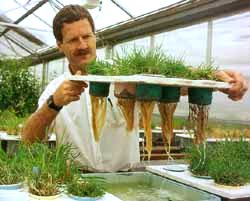
The two main types of hydroponics are solution culture and medium culture. Solution culture does not use a solid medium for the roots, just the nutrient solution. The three main types of solution culture are static solution culture, continuous flow solution culture, & aeroponics. The medium culture method has a solid medium for the roots and is named for the type of medium, e.g. sand culture, gravel culture or rockwool culture. There are two main variations for each medium, subirrigation and top irrigation. For all techniques, most hydroponic reservoirs are now built of plastic but other materials have been used including concrete, glass, metal, vegetable solids and wood. The containers should exclude light to prevent algae growth in the nutrient solution.
  1. Passive subirrigation/Fertigation -The medium generally has airy spaces for air circulation & allowing a oxygen to the roots and capillary action delivers water + nutrient solutions to the roots from the medium based. The simple model of this method normally has the container constantly sit in a shallow layer of nutrient solution or on a capillary mat saturated with nutrient solution. A variety of materials can be used for the medium: vermiculite, perlite, clay granules, rockwool, peat-moss, coco-peat or gravel. This method requires little maintenance and thus, the operational cost is quite low. It only requires only occasional refilling and replacement of the nutrient solution.
  2. Aeroponics is defined as a system where roots are continuously or discontinuously in an environment saturated with tiny nutrient drops (a mist or aerosol form). This method requires no substrate and entails growing plants with their roots suspended in a deep air or growth chamber with the roots periodically sprayed with a fine mist of oxygen rich, atomized nutrients. Excellent aeration and nutrient absorbtions is the main advantage of aeroponics.
  3. Deep Water Culture - The hydroponic method of plant production by means of suspending the plant roots in a solution of nutrient rich, oxygenated water. This methods favor the use of plastic buckets and large containers with the plant contained in a net pot suspended from the centre of the lid and the roots suspended in the nutrient solution.
  4. Organoponics is a hydroponic system converted to organic cultivation by replacing the inorganic fertilizer with organic compost. In a hydroponic system the roots need to be able to absorb nutrients as they touch the roots' capilaries. There is no soil for organic fertilizer to sit in and release nutrients.
Auto feeding hydroponics systemHydroponics system #2
Hydroponics system #1

Models on many types of soilles culture or Hydroponic


Digg Technorati del.icio.us Stumbleupon Reddit Blinklist Furl Spurl Yahoo Simpy

Wednesday, April 23, 2008

Transformation of Hydroponic Farming


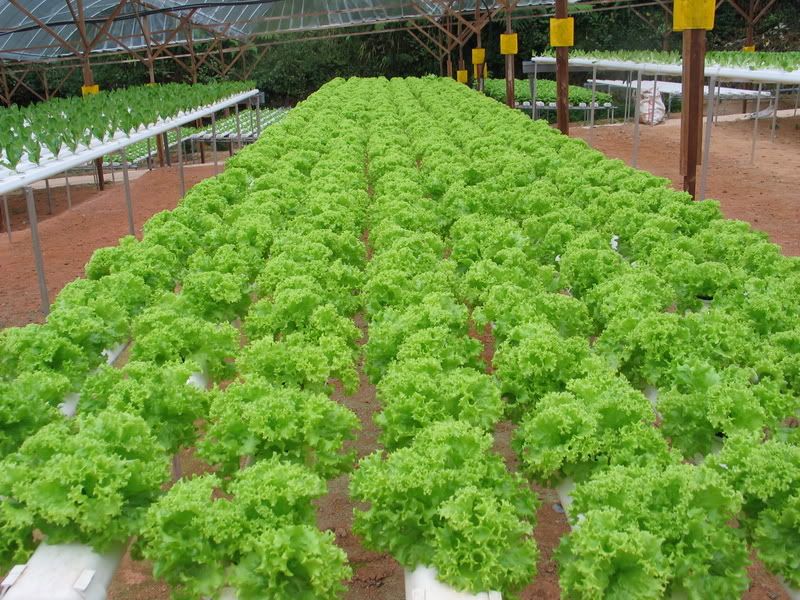
Hydroponic farming has undergo a huge transformation in the way how it is implemented nowadays. Through R&D, there are many techniques has been revealed in order to get the highest return without compromising the quality of the crops. The texture of the fruits and vegetablesare surprisingly better. Researchers has tried many ways to minimise the planting area and at the same time getting the highest yield. Finally, they come up with these. The distributions of nutrient to individual plants is done by advanced computerised irrigation system. This is indeed the future of farming


Digg Technorati del.icio.us Stumbleupon Reddit Blinklist Furl Spurl Yahoo Simpy

Hydroponic's modernization


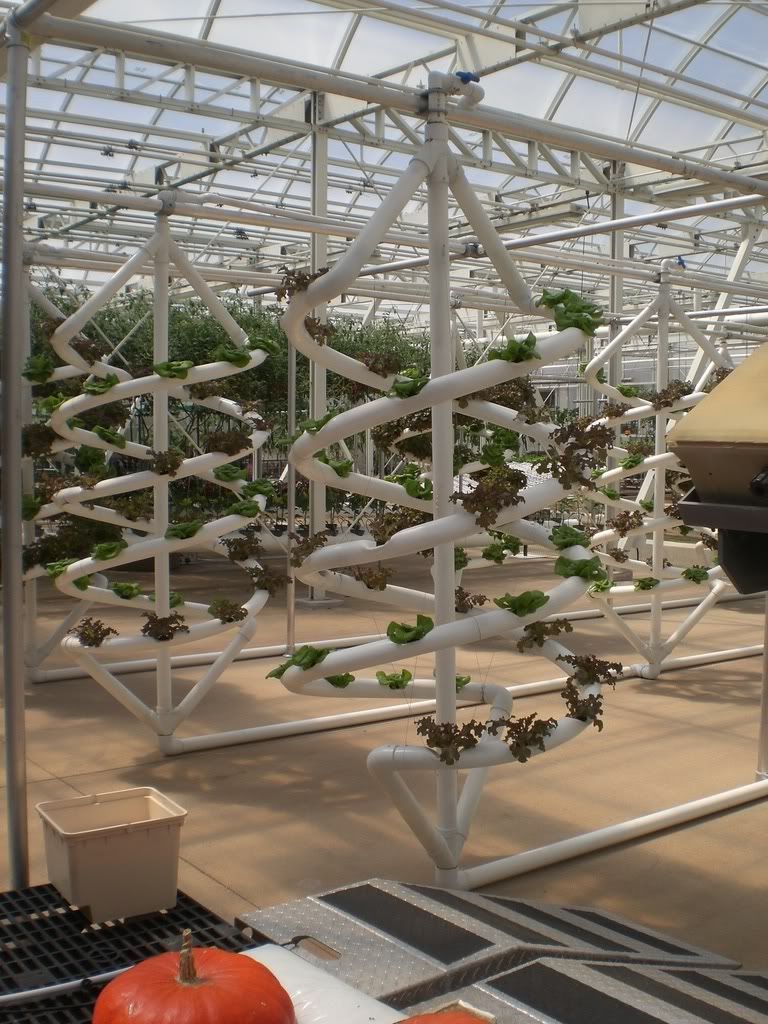
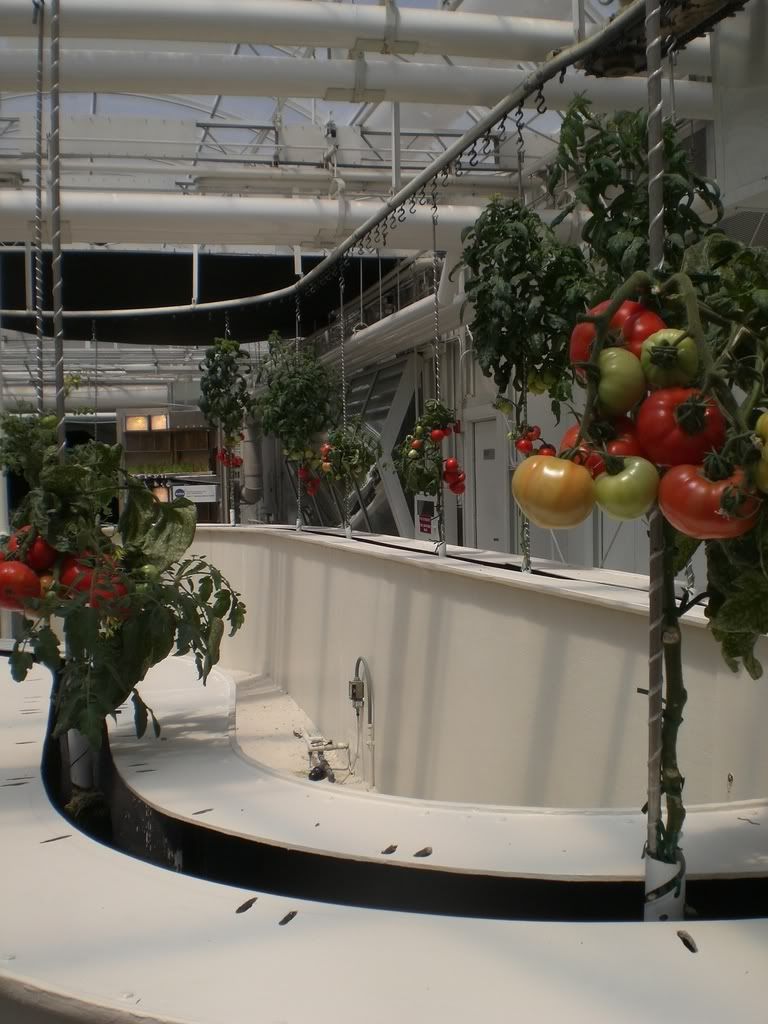
Hydroponic agriculture at the "The Land" pavilion at EPCOT, Disneyland. One of the few (only?) places that's actually doing any research at EPCOT, which was the original dream Walt had for the park. Hydroponic agriculture has undergo a remarkable transformation to increase crop yield in developed nations and has gain interest in many countries. Through Hydroponic method, higher crop yield can be achieved at a relatively faster growth rate as to compare to the traditional soil based farming. As the global demand for food is increasing in an extremely faster pace, the modern techniques of farming is the only solution and Hydroponic is one of the brilliant choice.


Digg Technorati del.icio.us Stumbleupon Reddit Blinklist Furl Spurl Yahoo Simpy

Weather Monitoring


Blogger Templates. Sponsored by SEO Expert

Previews & Insights On New Products, Cool Gadgets & Latest Inventions Previews & Insights On New Products, Cool Gadgets & Latest Inventions Previews & Insights On New Products, Cool Gadgets & Latest Inventions Previews & Insights On New Products, Cool Gadgets & Latest Inventions Previews & Insights On New Products, Cool Gadgets & Latest Inventions Previews & Insights On New Products, Cool Gadgets & Latest Inventions